Caricamento carrello…
 Loading...
Loading...
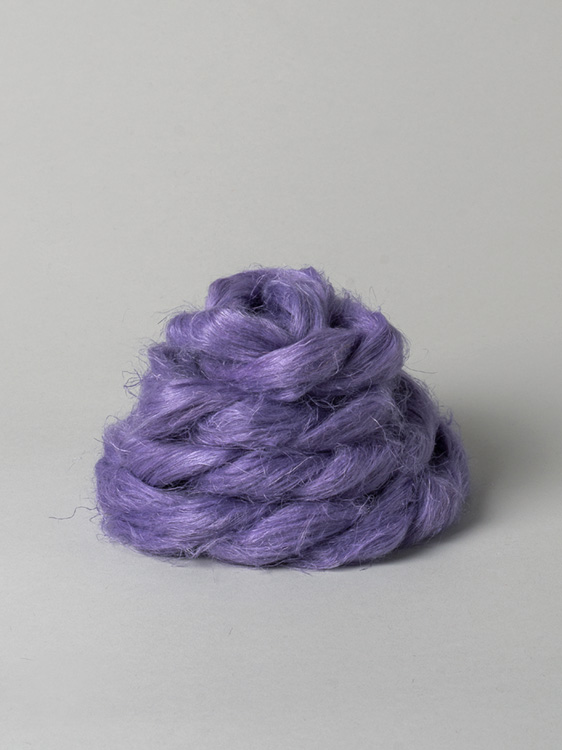
Loading...Flax tops represent a pure and authentic plant fiber, obtained from the stem of the flax plant(Linum usitatissimum) and processed through an extraction and combing process that preserves its natural length and strength. Processing into tops yields a neat, stable and highly workable fiber that is ideal for spinning, weaving and fiber art techniques that enhance the natural materiality and elegance of plant fibers. Fresh, durable and with a distinctive texture, linen is one of the oldest and most prized fibers in the history of textiles.
Availability and packaging
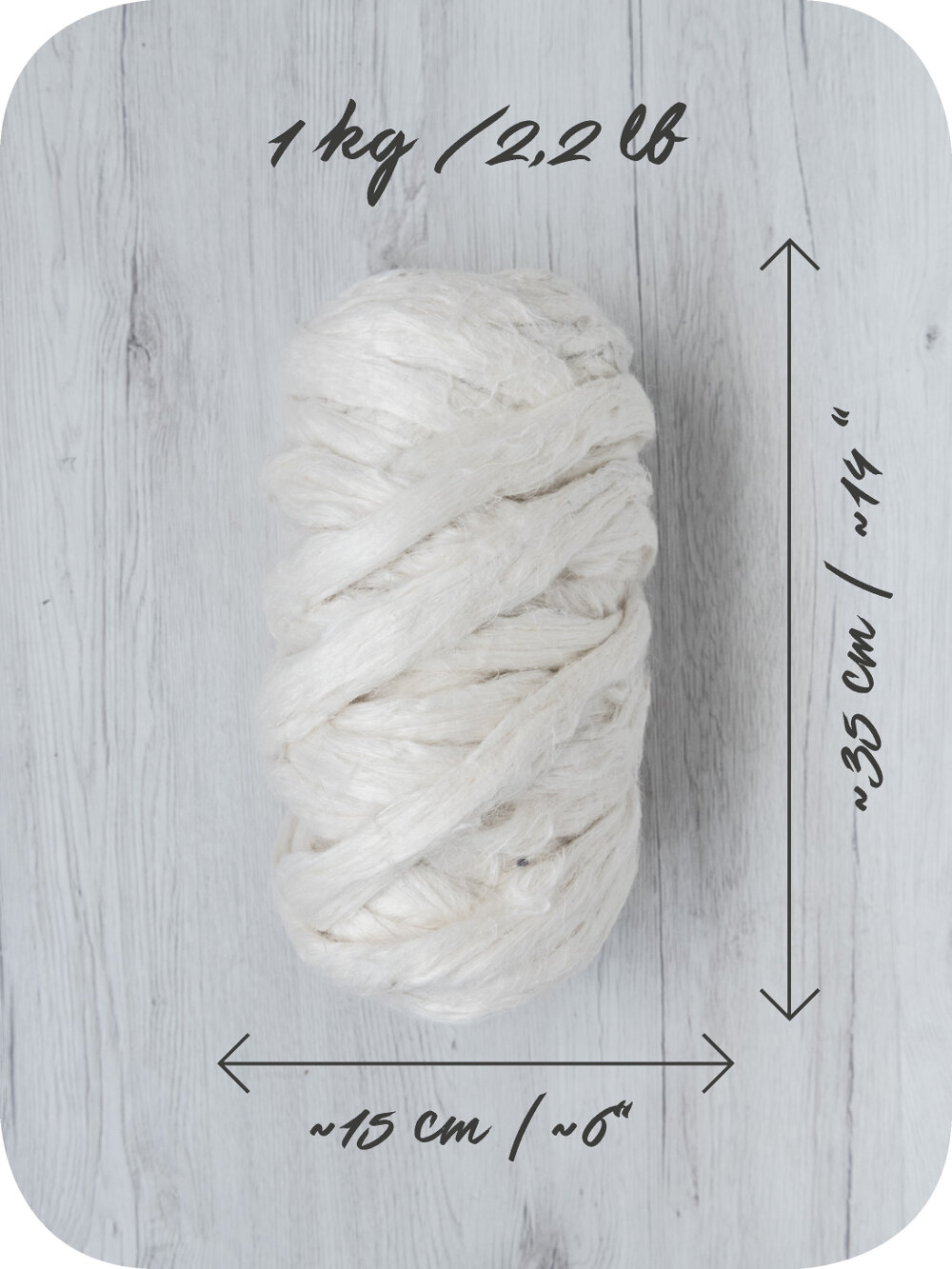
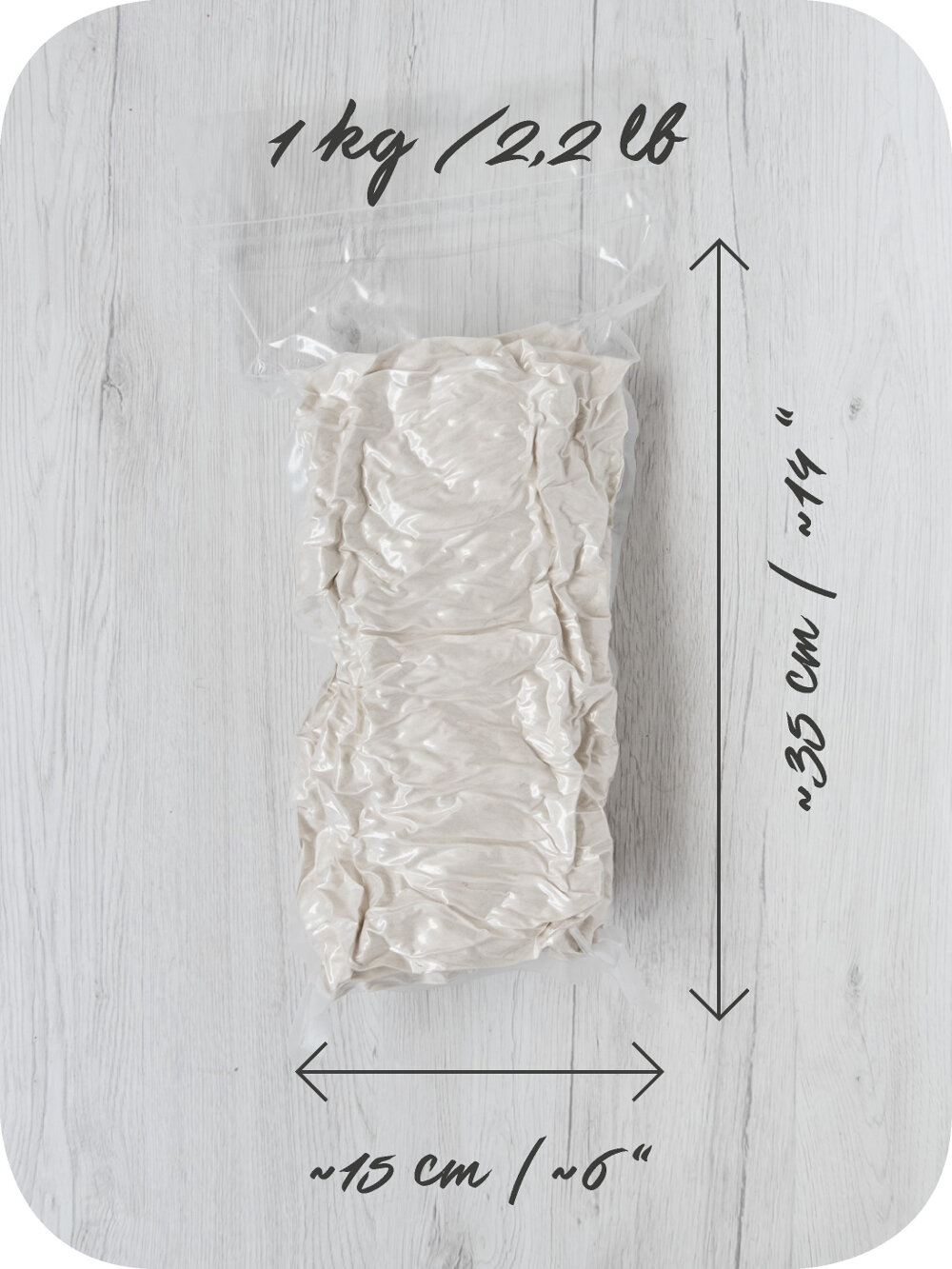
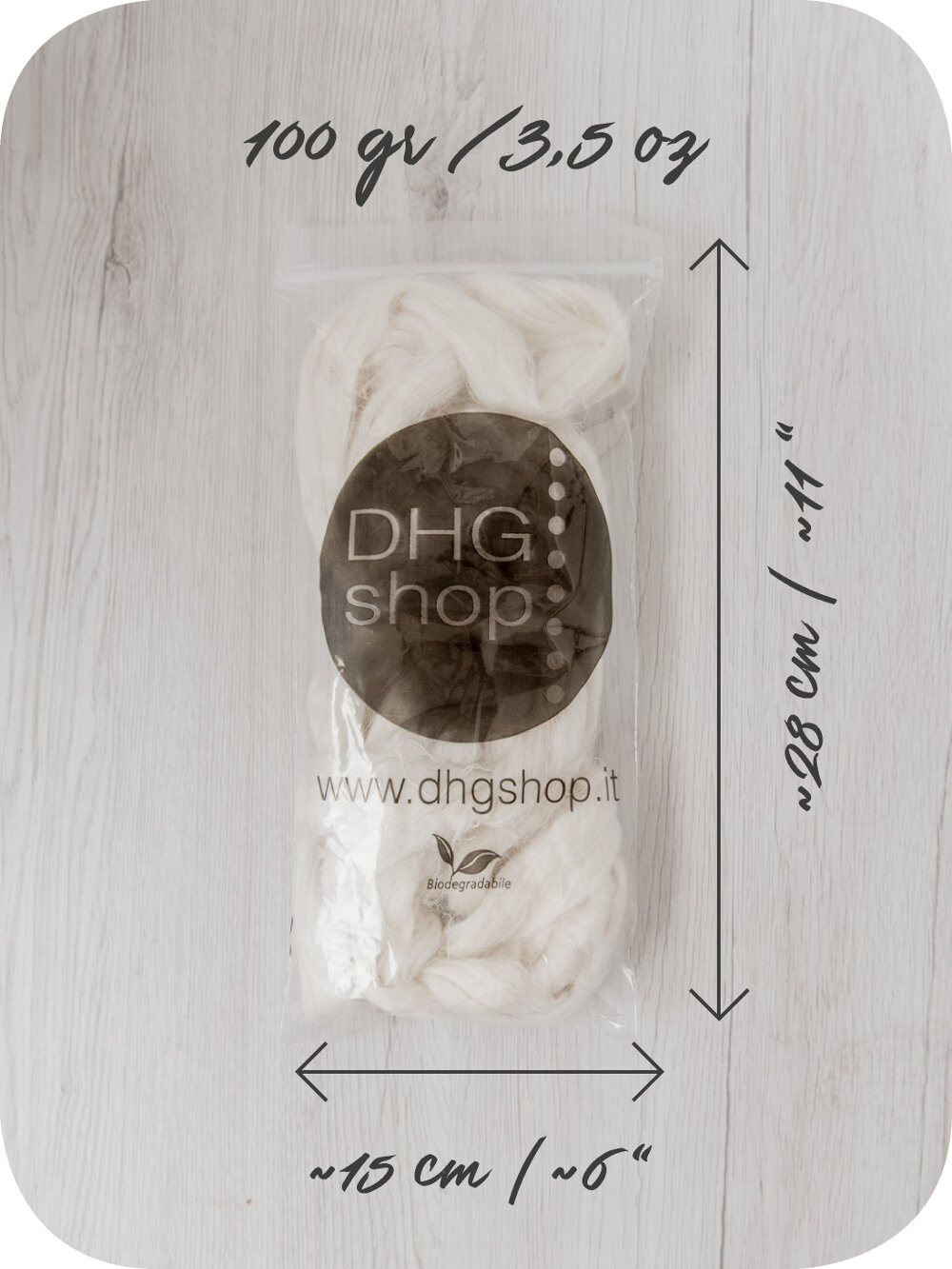
Our linen tops are available in 100 g, 500 g, 1 kg packages per color. Each package has a natural tolerance of ±3% and contains linen in continuous tape. The different packages are designed for both those who need small quantities and those who need large quantities and/or want to save money. For non-ECE shipments, the packages are vacuum-packed, reducing volume and lowering shipping costs. Don’t worry: once opened, the flax returns to its original, fluffy volume with no loss of quality.
Flax Tops (combed ribbon).
Composition: 100% flax
Ribbon weight: approx. 20 g/m - 0.70 oz/yd
Ribbon length: approx. 5 m - 5.5 yd per 100 g - 3.5 oz.
Flax fiber is a Liberian fiber composed mainly of cellulose, extracted from the inner bark of the plant's stem. It has long, stiff and slightly irregular fibers characterized by a polygonal cross-section and natural knots that contribute to the typical texture of the material. Its structure imparts high tensile strength, low elasticity and a cool, dry hand, making it ideal for processing that requires stability and definition.
Flax is one of the oldest textile fibers used by humans and is grown primarily in Europe, with a strong tradition in northern European and Franco-Belgian regions, as well as in other temperate climate zones. The flax plant grows in short, sustainable cycles, and the fiber is obtained through natural processes of retting, scutching, and combing that separate the long fibers from the woody part of the stem, preserving their structural qualities and purity.
The dyes used for our products meet the requirements of the OEKO-TEX standard, which ensures the control and limitation of substances potentially harmful to human health and the environment.
Fiber dyeing is carried out in our dyehouse in Italy, in compliance with current European regulations on chemicals and environmental safety, including the REACH Regulation (EC No. 1907/2006), which governs the registration, evaluation, authorization and restriction of chemical substances.
Operating within the European Union also entails compliance with additional provisions on environmental protection and textile product safety, such as the CLP Regulation (EC No. 1272/2008), relating to the classification, labeling and packaging of substances and mixtures. This regulatory framework ensures that dyeing processes are conducted according to high standards of safety, traceability and environmental responsibility, offering a reliable product for both the end user and the environment.
Our linen tops are perfect for theneedle felting, forwater felting, for spinning, the hand weaving.
Since colors may vary depending on your monitor or device settings, we recommend purchasing our Color Card to check the shades in person before placing your final order. Want to check the quality of the material? Choose our Sample Box.
CAUTION: All of our colors generally exhibit high lightfastness and fastness to washing. However, fluorescent colors (80's collection), in addition to having a lower lightfastness, may also suffer significant color loss in the presence of alkaline or particularly aggressive soaps, as well as with prolonged processing or washing. This phenomenon can occur, to varying degrees, even with dark and particularly bright colors. For materials dyed with these shades, we always recommend that a preliminary processing and washing test be carried out on a small sample before making the final design. This precaution is essential, especially when dyed materials are combined with unbleached or light-colored fibers.
Finally, to best preserve the colors, it is recommended that artifacts not be dried in direct sunlight, but in a shady place.