Caricamento carrello…
 Loading...
Loading...
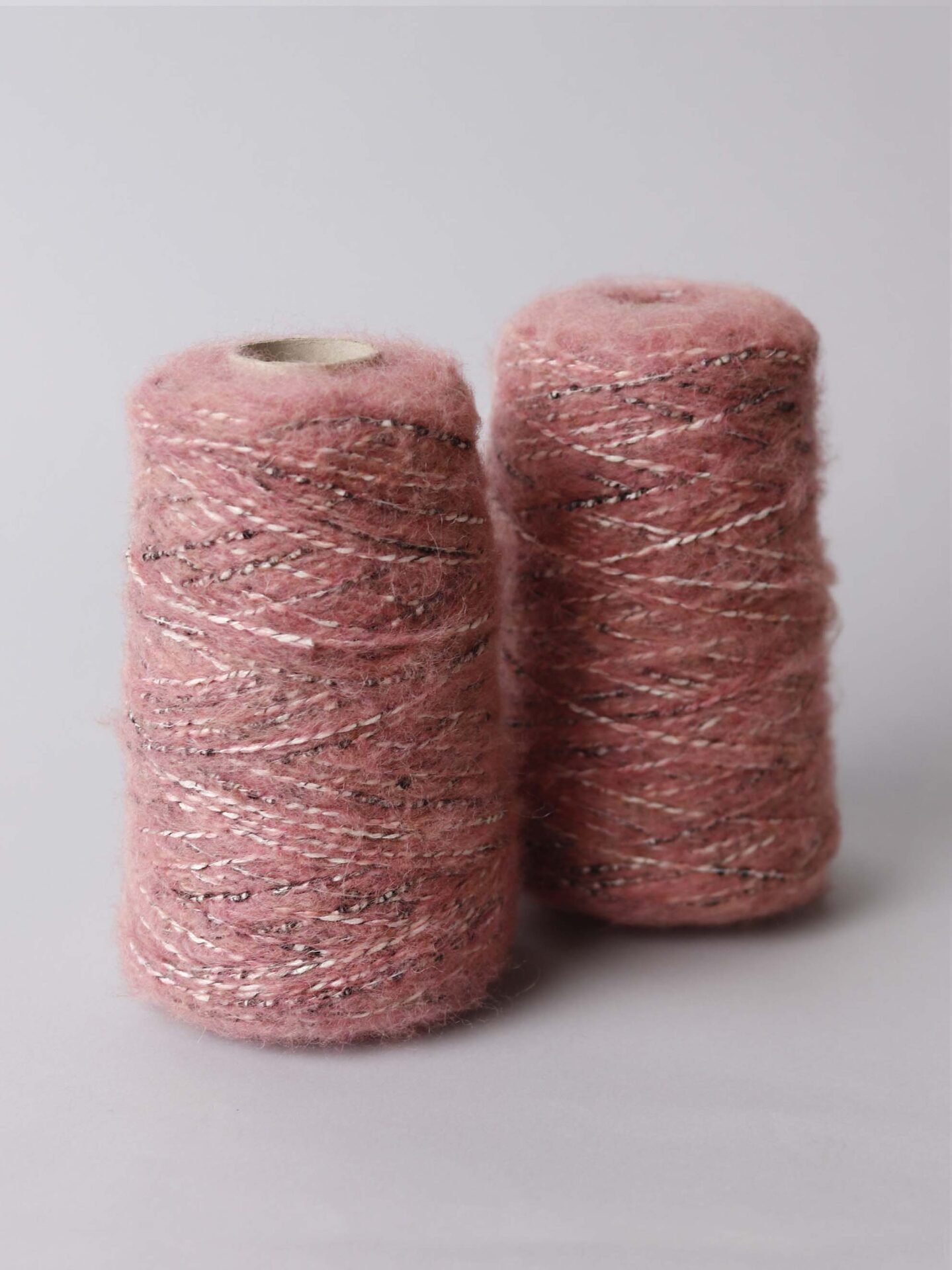
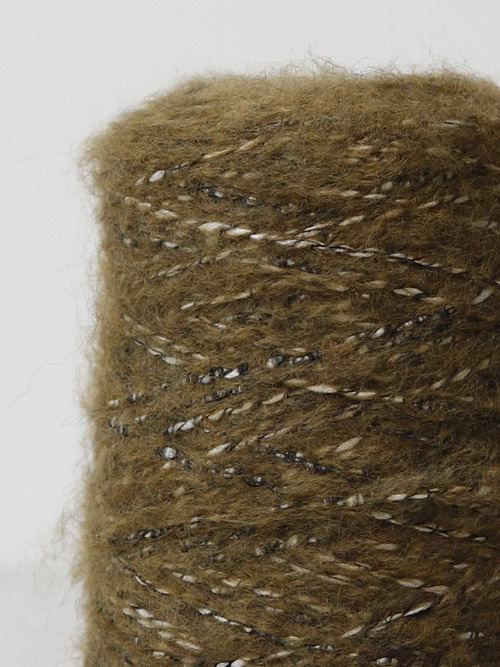
Loading...Cape Town has a very unusual structure indeed in that it comes from the twisting of a thread of presioso alpaca and a cord, itself composed of a core and two outer yarns in contrasting colors. The result is certainly interesting both because it allows for color play and because it creates a balance between alpaca and cord. The former creates movement while the latter gives stability.
In addition, as always, we have tried to work on products that are as sustainable as possible and to select regenerated materials: in this case, both the cotton and polyester present are 100 percent recycled.
A yarn therefore to be discovered in all its personality.
Outlet products.
Cape Town can be found in the outlet only because it is a discontinued item. Therefore, once the stock runs out, it will not be restocked. Take advantage of the reduced price while you can!
Availability and packaging
Our Cape Town is available in 250 g packages, which can be purchased individually. Each package has a natural tolerance of ±3%.
Composition: 40% recycled polyester, 34% recycled cotton, 18% acrylic, 4% wool, 4% alpaca
Length and weight: about 150 yards per 100 g / 164 yards per 3.5 oz
Each Cape Town yarn spool is about 375 yards / 410 yards.
Yarn type: Chunky, Craft and Rug.
Yarn tension with knitting needles: 10 knits and 12 knit low rows 10 x 10 cm / 4 x 4 in.
Yarn tension with crochet hook: 9 knits and 12 knit low rows 10 x 10 cm / 4 x 4 in.

Raw materials used in DHG's yarns are selected and purchased from areas of the world where each specific fiber expresses the best natural and performance qualities. Depending on the type, the fibers come from vocated and traditionally specialized regions, chosen to ensure high standards of purity, fineness and textile performance. Vengono poi lavorate in Italia.
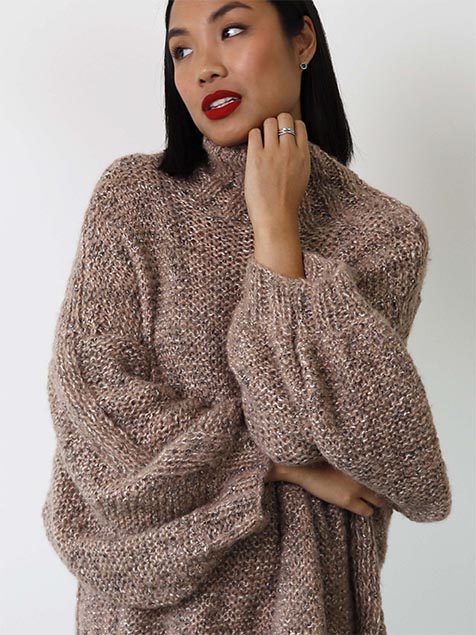
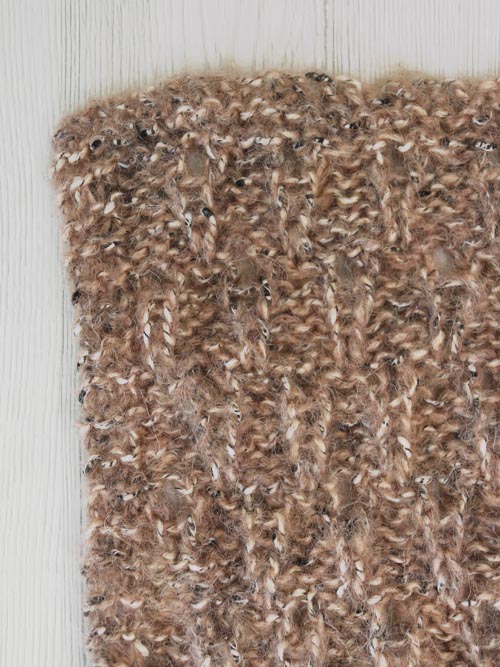
Cape Town is worked with needles and crochet hooks of thickness around 8. It can also be easily usedfor weaving and macramé projects.
Tips for working and care.

Our colors generally have high light fastness and wash fastness. Exceptions are fluorescent colors, which have low light fastness and may release color in the presence of alkaline or harsh soaps and with prolonged washing. The same applies to dark, bright colors. In all these cases, it is essential to test a small sample before starting the project, especially if these materials are combined with raw or light-colored fibers. In any case, it is always a good idea to dry artifacts away from direct sunlight, preferably in semi-shade.
A practical tip: Buying balls or spools of different baths can cause what is known as the barred effect: subtle variations in shade that seem invisible when comparing balls and spools, but become apparent once worked. Therefore, always be sure to buy some yarn in excess of what is needed for your project. We will be sure to send you spools and balls of the same lot.
Live colors.
Because colors may vary depending on your screen settings, we recommend that you purchase our Color Chart to check them live before placing your final order.